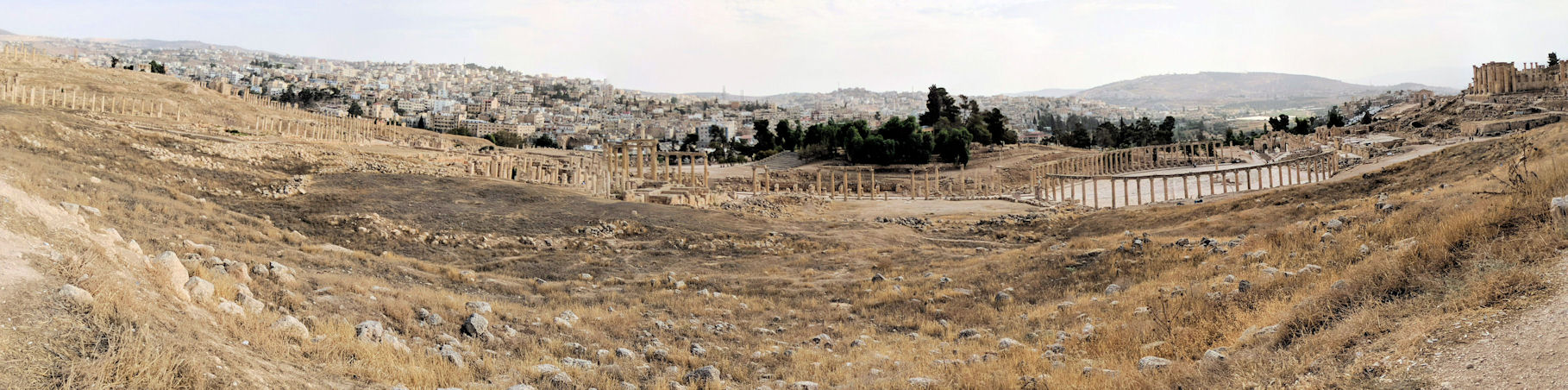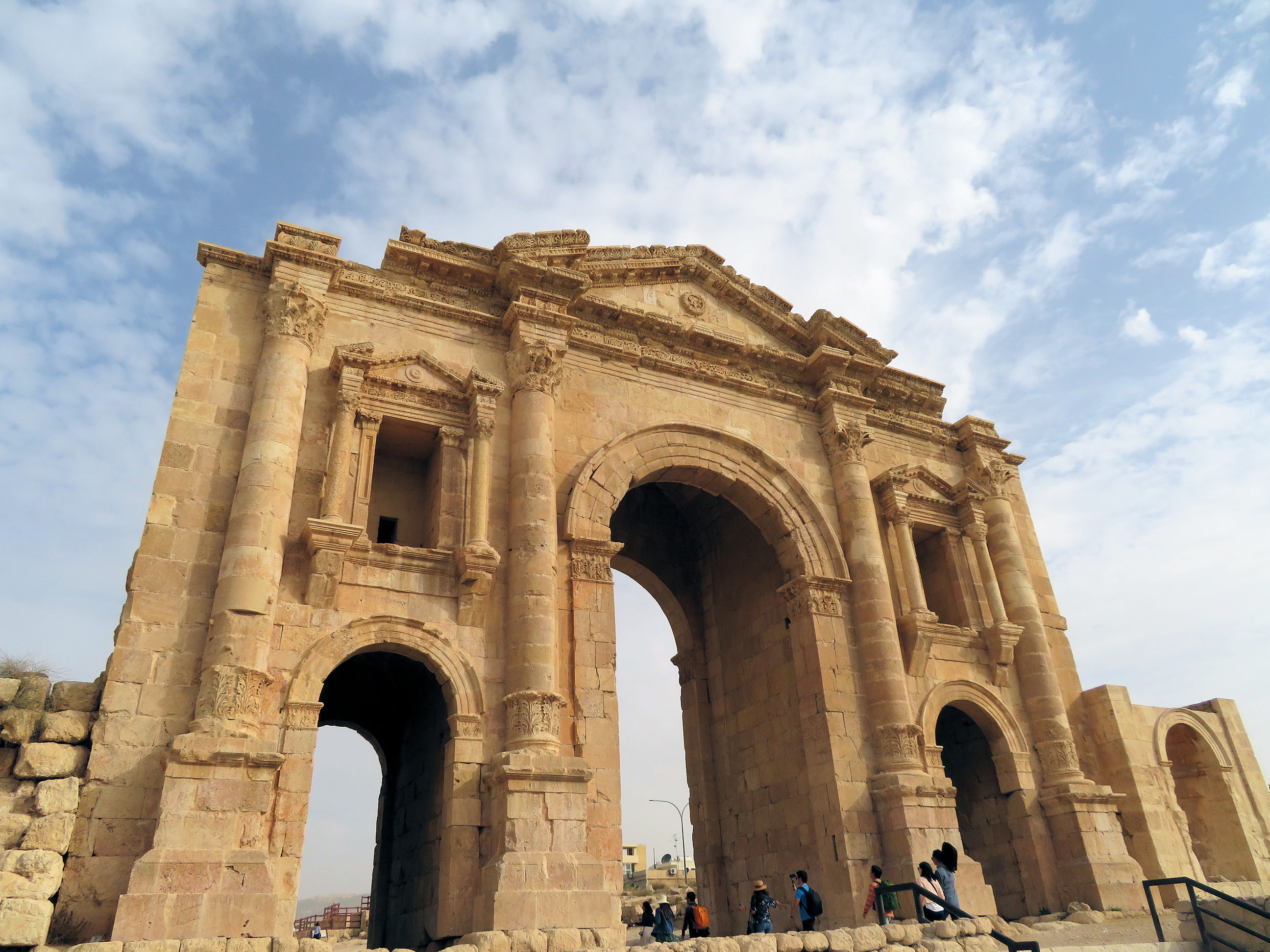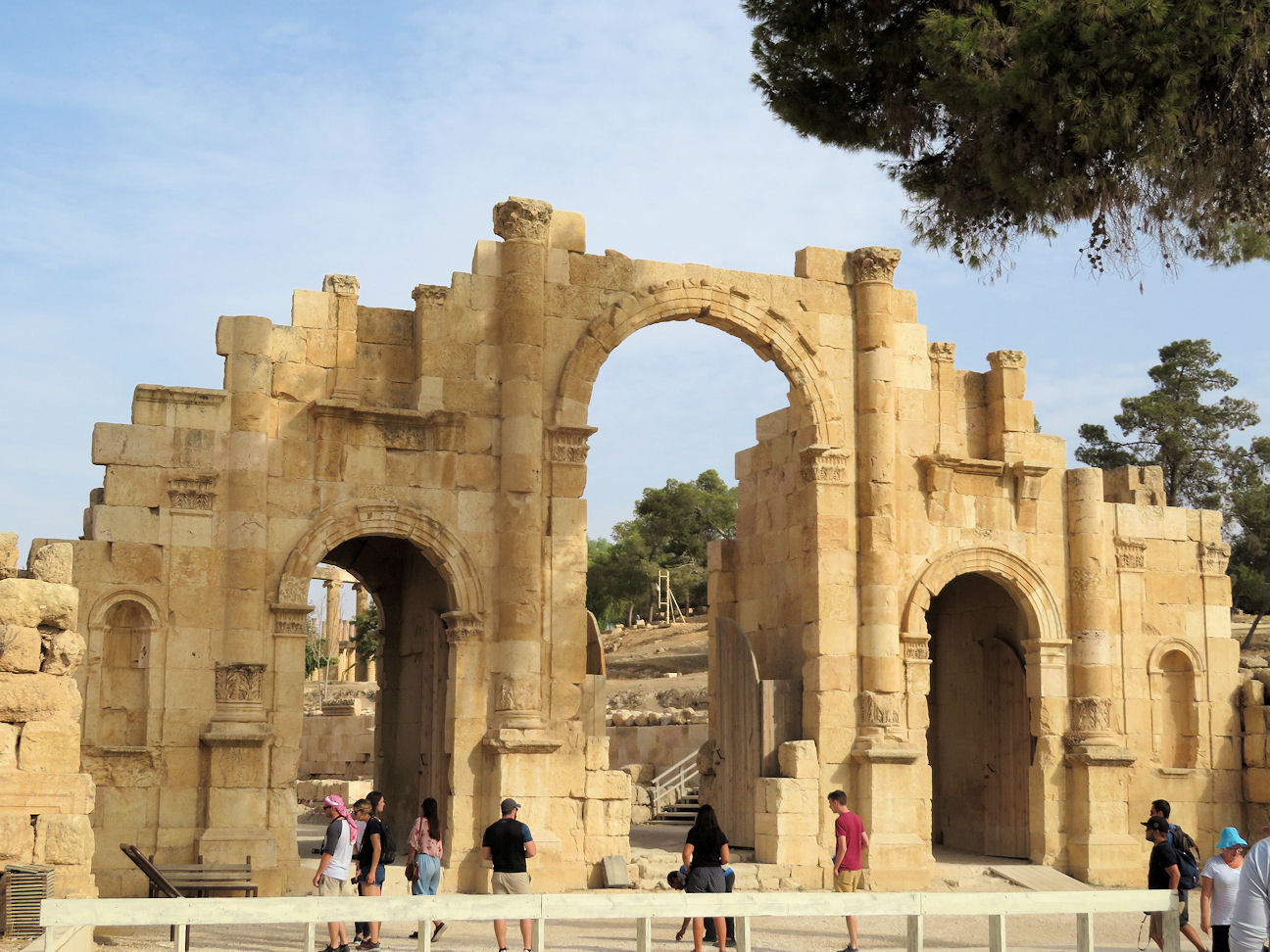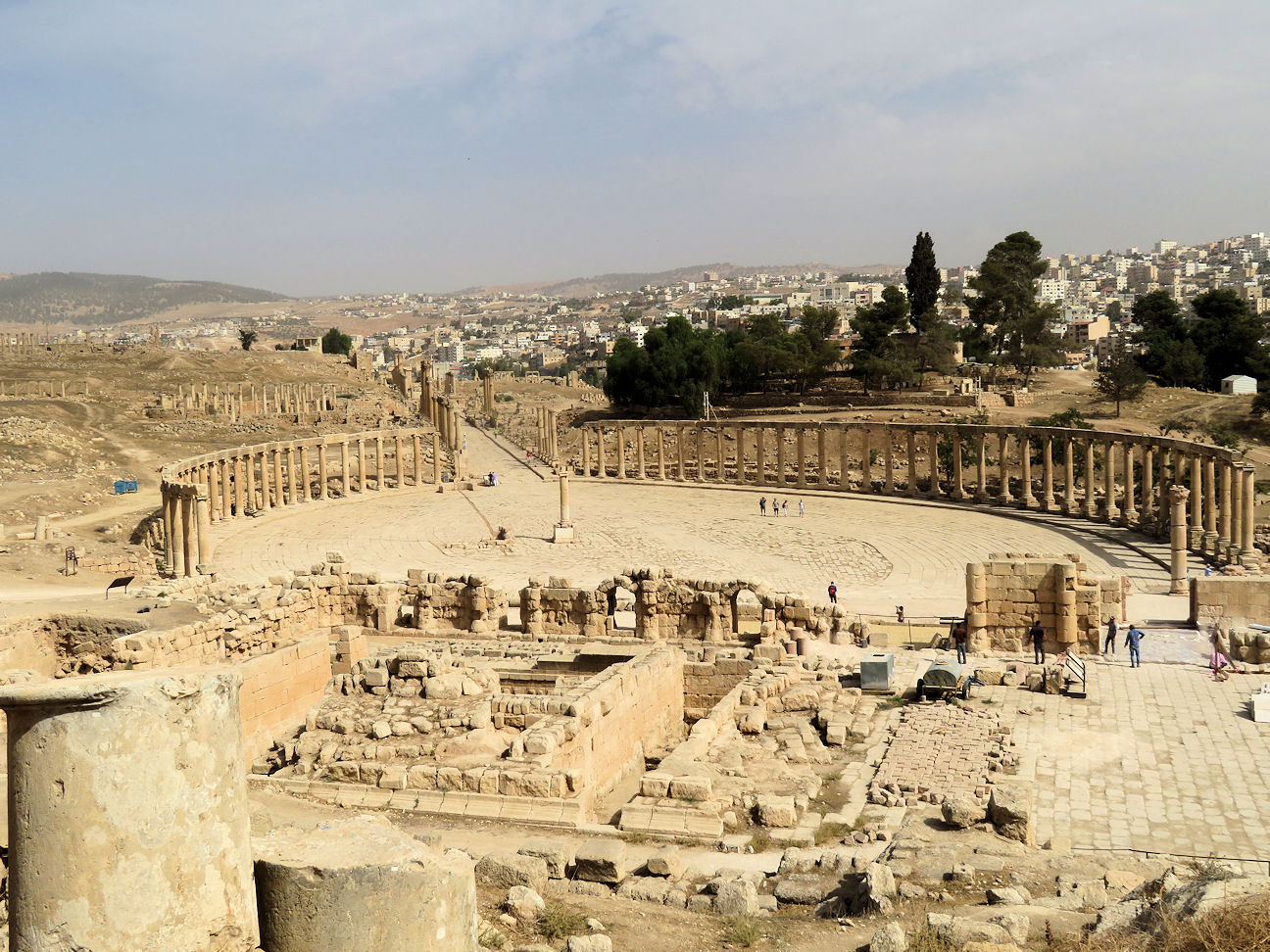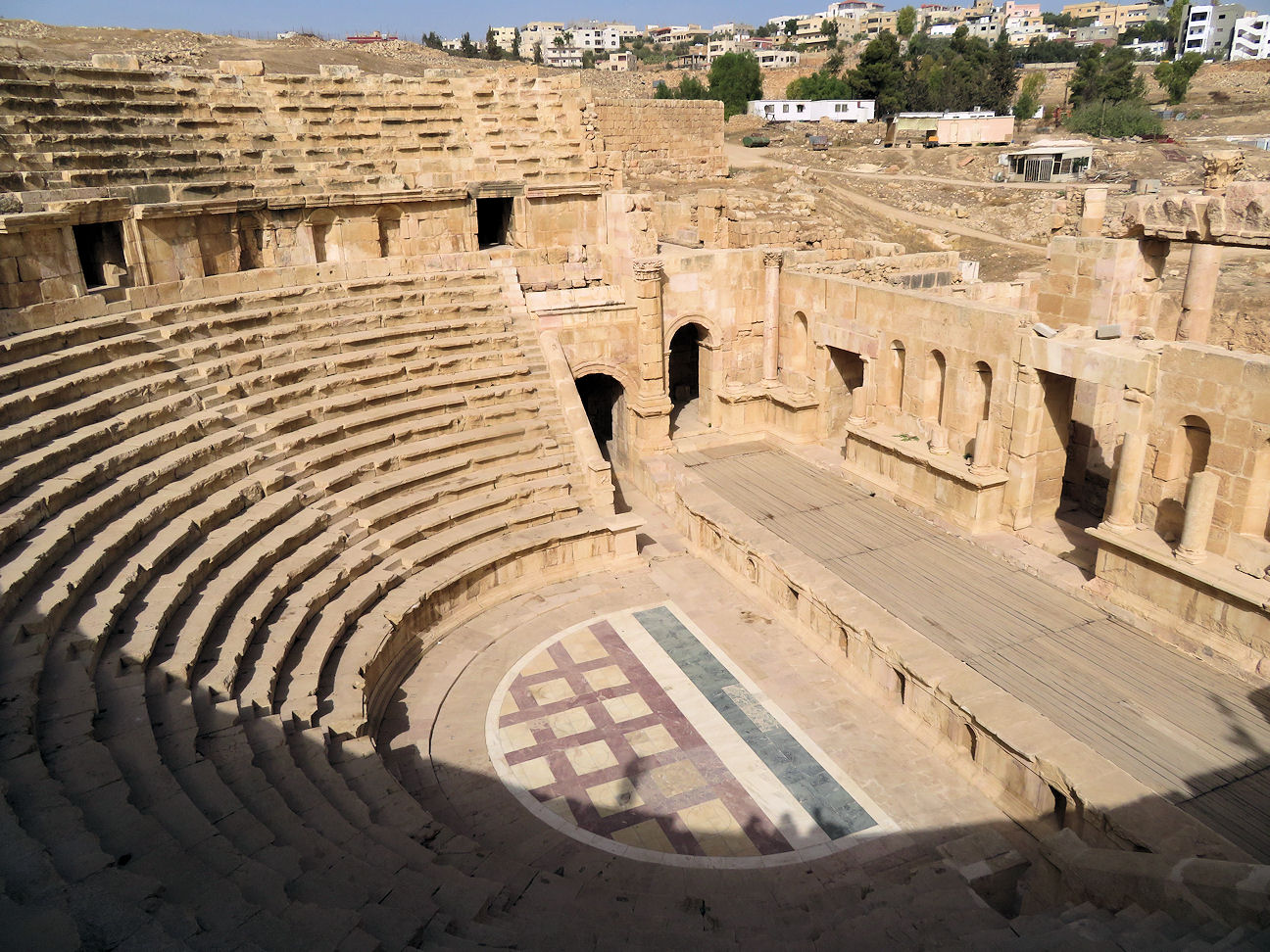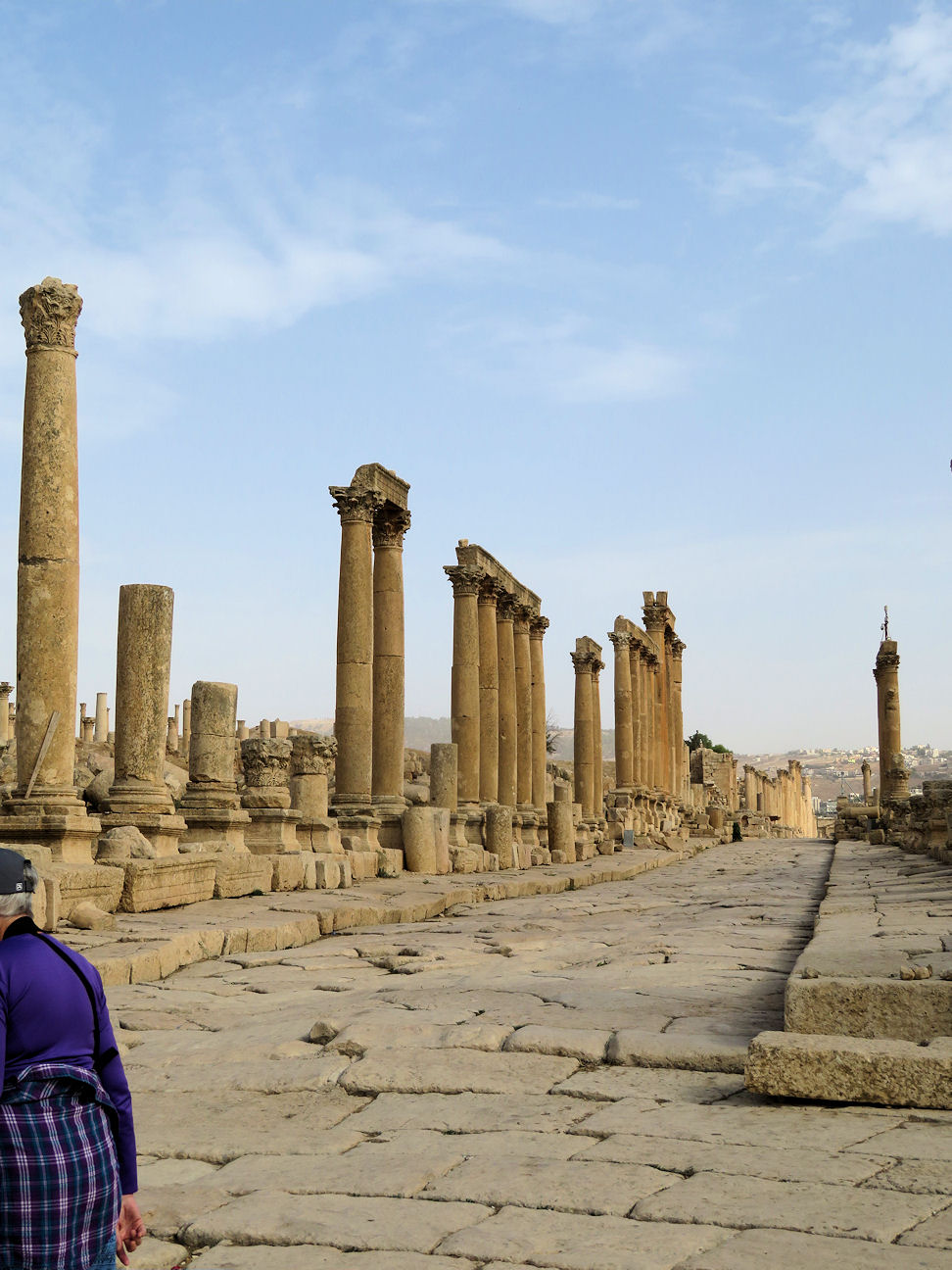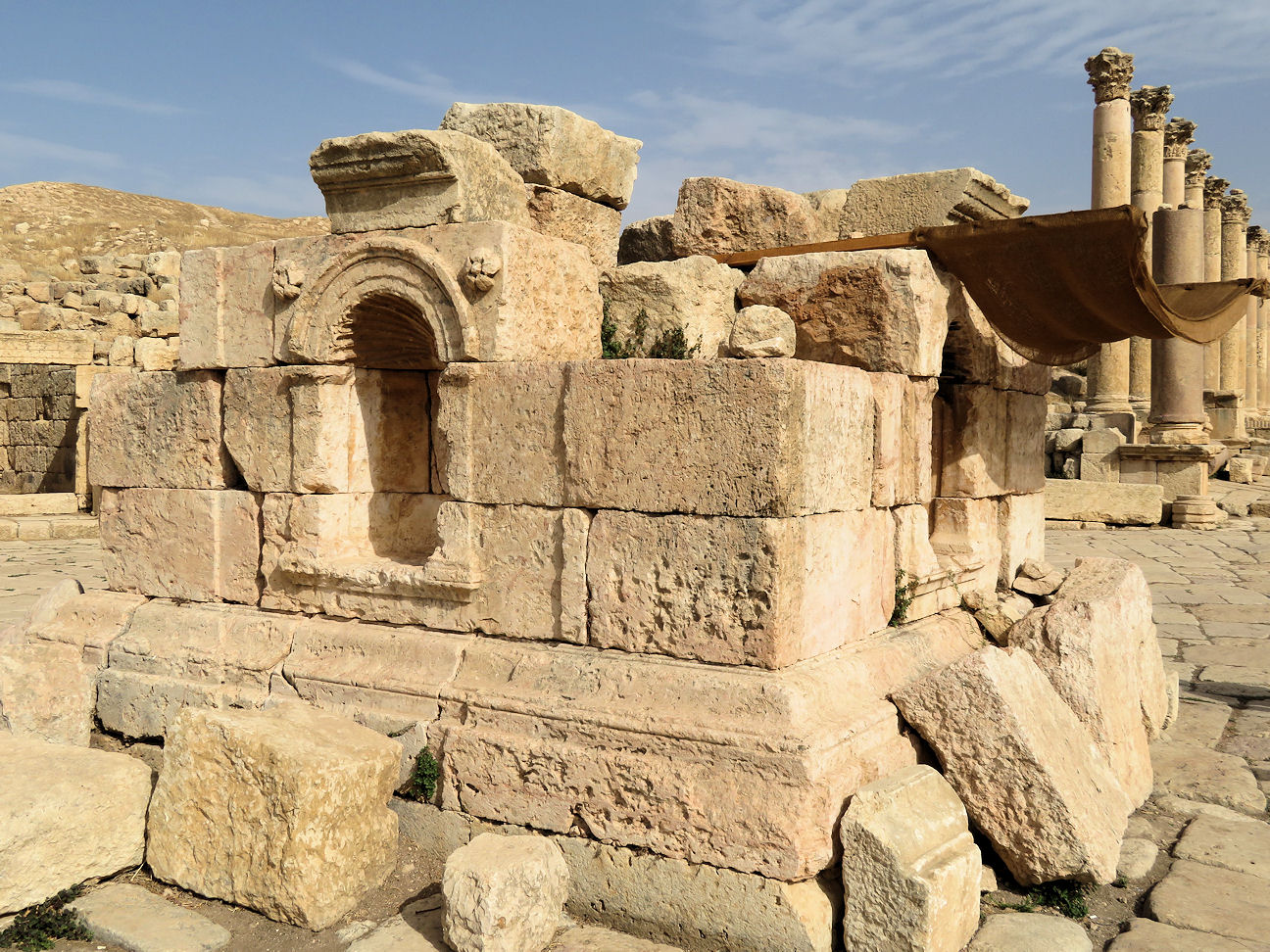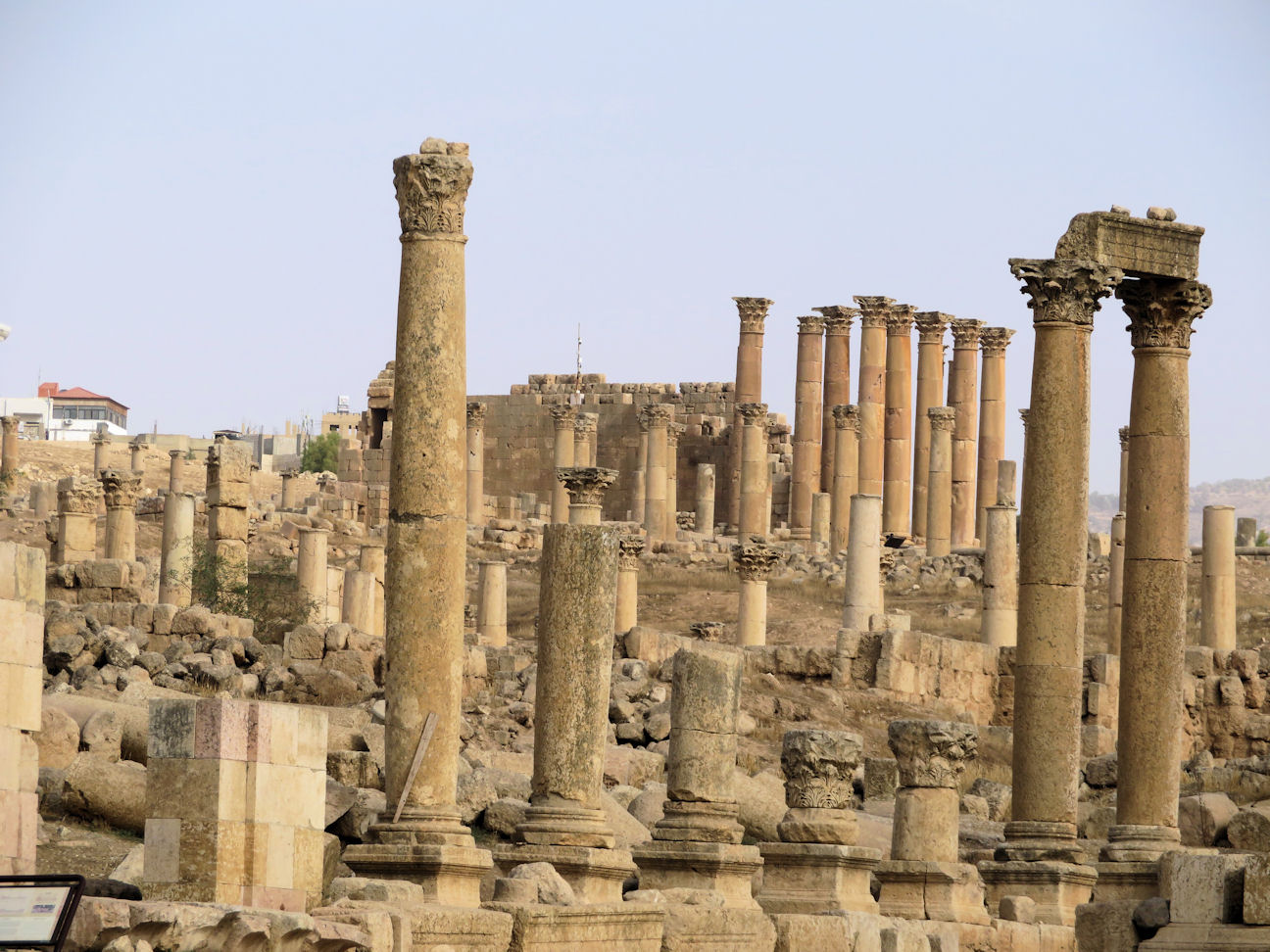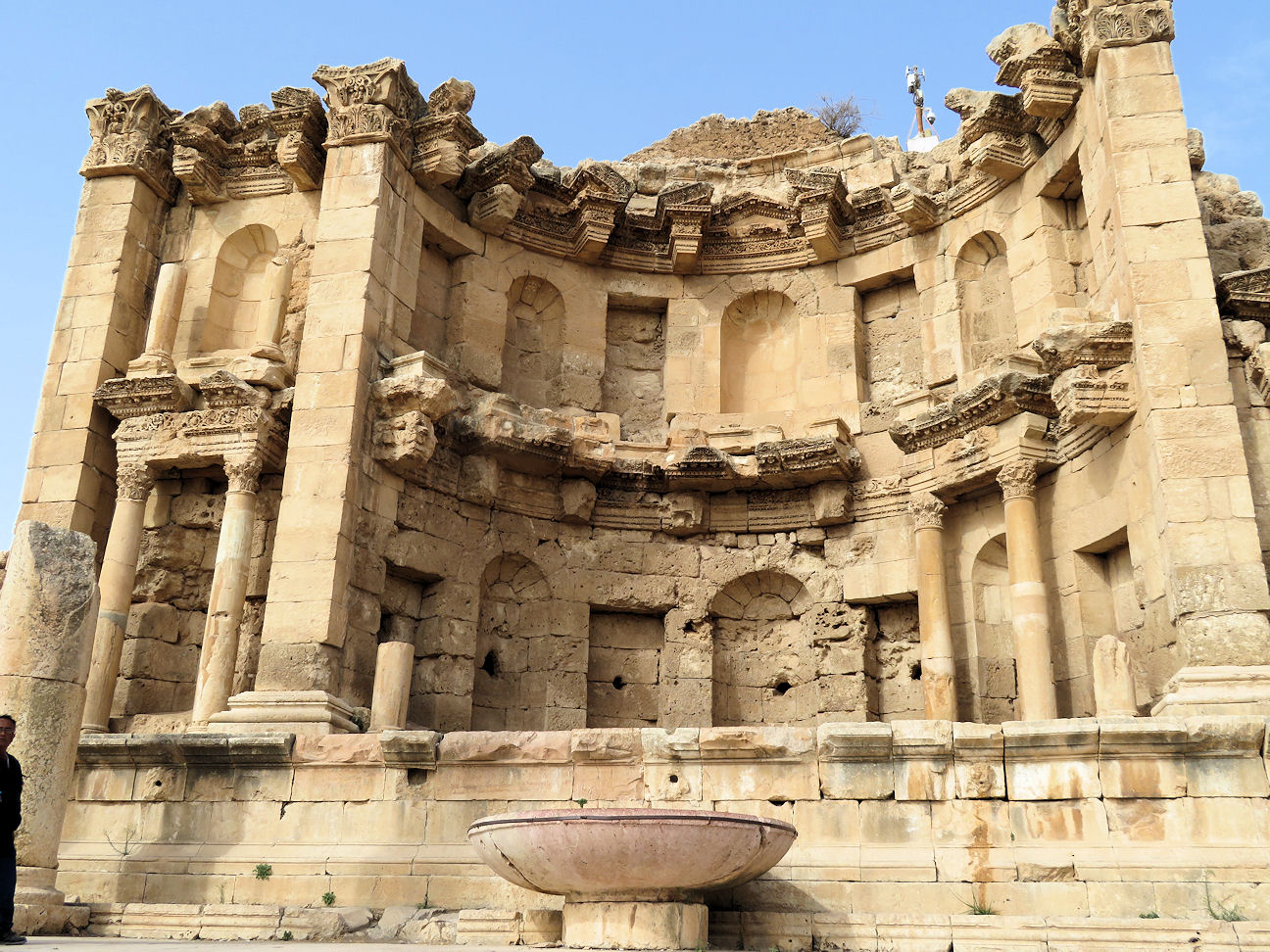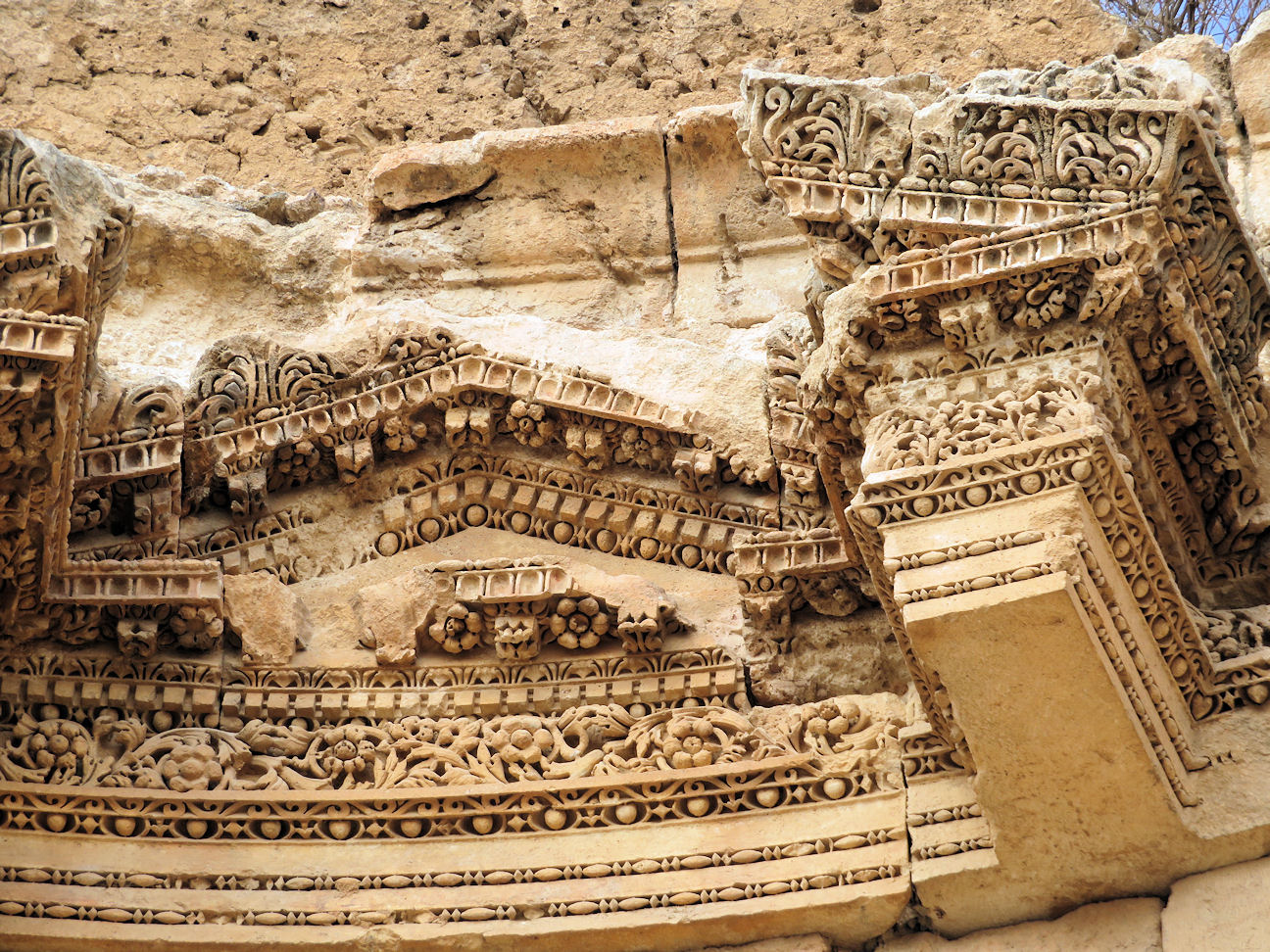
Jerash and AjlunThe next day we drove 30 miles north to Jerash, famous for the Greco-Roman settlement of Gerasa. The ruins consist of Roman structures built over Greek developments. It is a very large area. Many of the structures were buried due to earthquakes and landslides. Excavations are still being conducted today. However, the minor digs have been re-buried to preserve them. There were Roman temples, Christian churches and mosques built on top of each other over the years. Ayman told us that this practice was just for convenience (availability of building materials, etc.). The old buildings were not torn down - they were already in ruins.
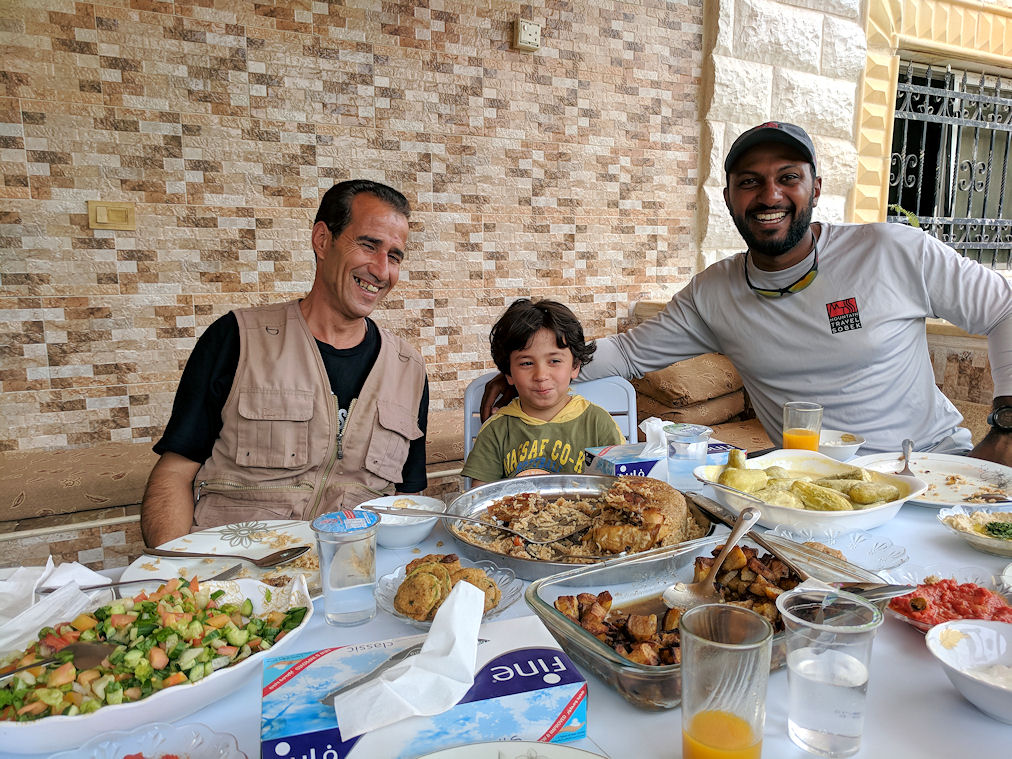
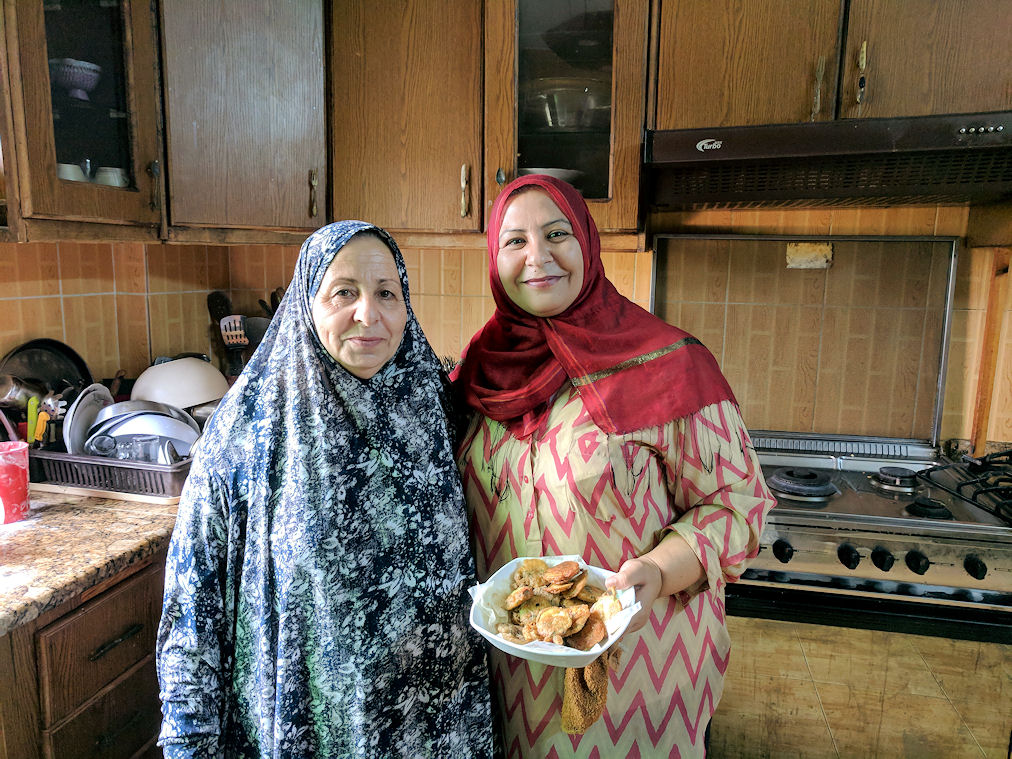
We drove to Ajlun nearby. It is noted for the 12th century Muslim castle ruins. Then we drove to a village nearby to have lunch in the home of a local family. The host is a local guy engaged to bring ecotourism to the villages. He has a B&B/hostel on the second floor of his house. His family also has a small farm with figs, olives and citrus. It is the tradition for a family to harvest its own olives and make their own olive oil. 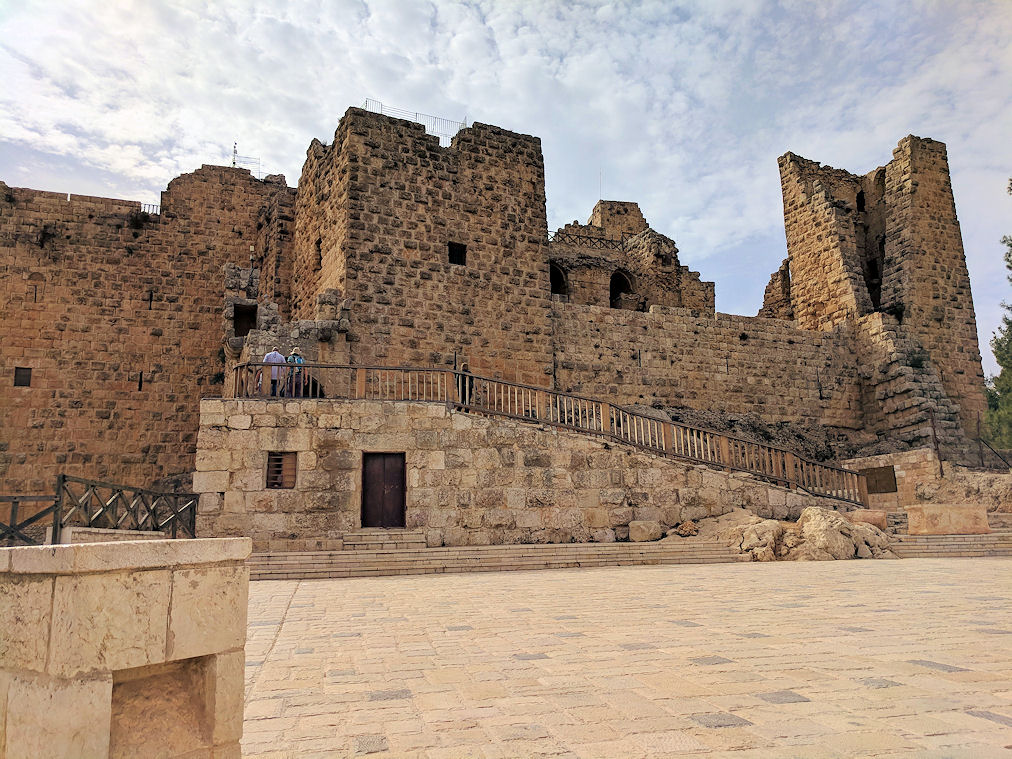
Sign Guestbook Back to Home Page Jordan Main Page Amman Madaba and Mount Nebo Dana to Feynan Ecolodge Feynan Ecolodge and Bedouin Cultural Experience Feynan to Ghbour Whedat Little Petra Petra Wadi Rum and Dead Sea Azraq |