
CataloniaCatalonia is an autonomous region in the northeastern corner of Spain (there are several autonomous regions in Spain). It has its own parliament, judicial system, security forces and even its own internet country code (.cat). Catalan language coexists with Spanish, even in restaurant menus. It is the most industrialized region in Spain.The Catalan independence movement seeks a complete independence of Catalonia from Spain. In 2014, the Catalan government held a non-binding referendum for independence. The yes vote won with 81%. But the Spanish Court ruled the referendum unconstitutional. Even so, the Catalan government declared the start of the independence process, and a binding referendum for independence will be held in 2017. Unlike the situations in Scotland and Uk, and the Brexit and EU, the Spanish government continues to oppose the move towards the independence of Catalonia. It will be interesting to see what happens next year. We had a discussion about the Catalan independence movement with a birding guide. He is a UK expatriate who lived in Spain for a long time. Since he is married to a Catalan, he does not think the Brexit will be going to affect him, or his children. He is for Catalan independence. Obviously there are lots of Spaniards from other parts of Spain that moved to Catalonia over the years. We saw their sentiments clearly in the Barcelona Metro on the Spanish National Day - singing and cheering. But all in all, they seemed to be rather civil about it. One observation that is worth noting. As far as I know, there is no violent activities in the modern Catalan independence movement. This is very different from the Basque Country where ETA, an armed separatist organization, has been held responsible of many bombings, kidnapping and assassinations. Only recently (2010) did ETA declared a ceasefire.
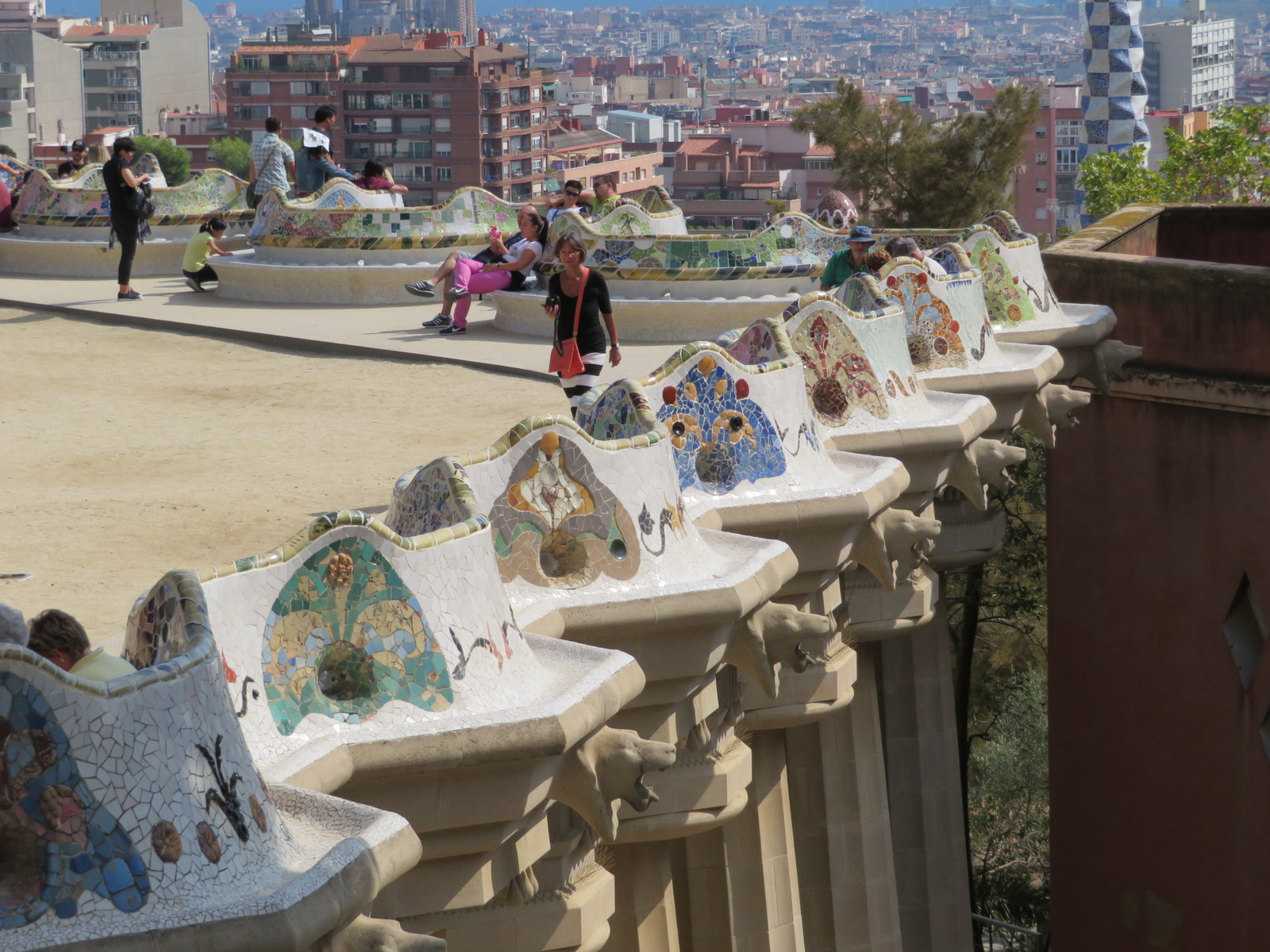
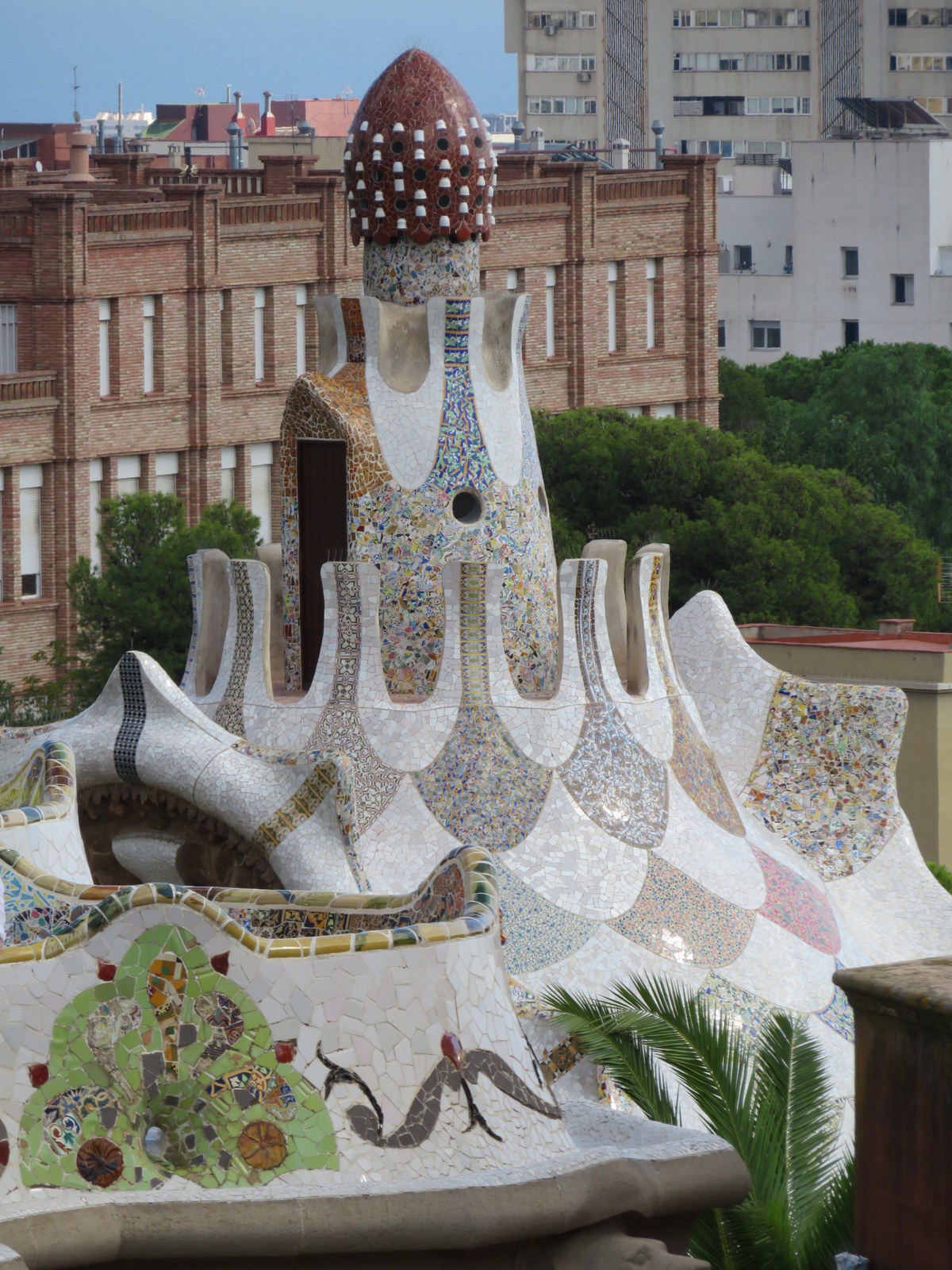
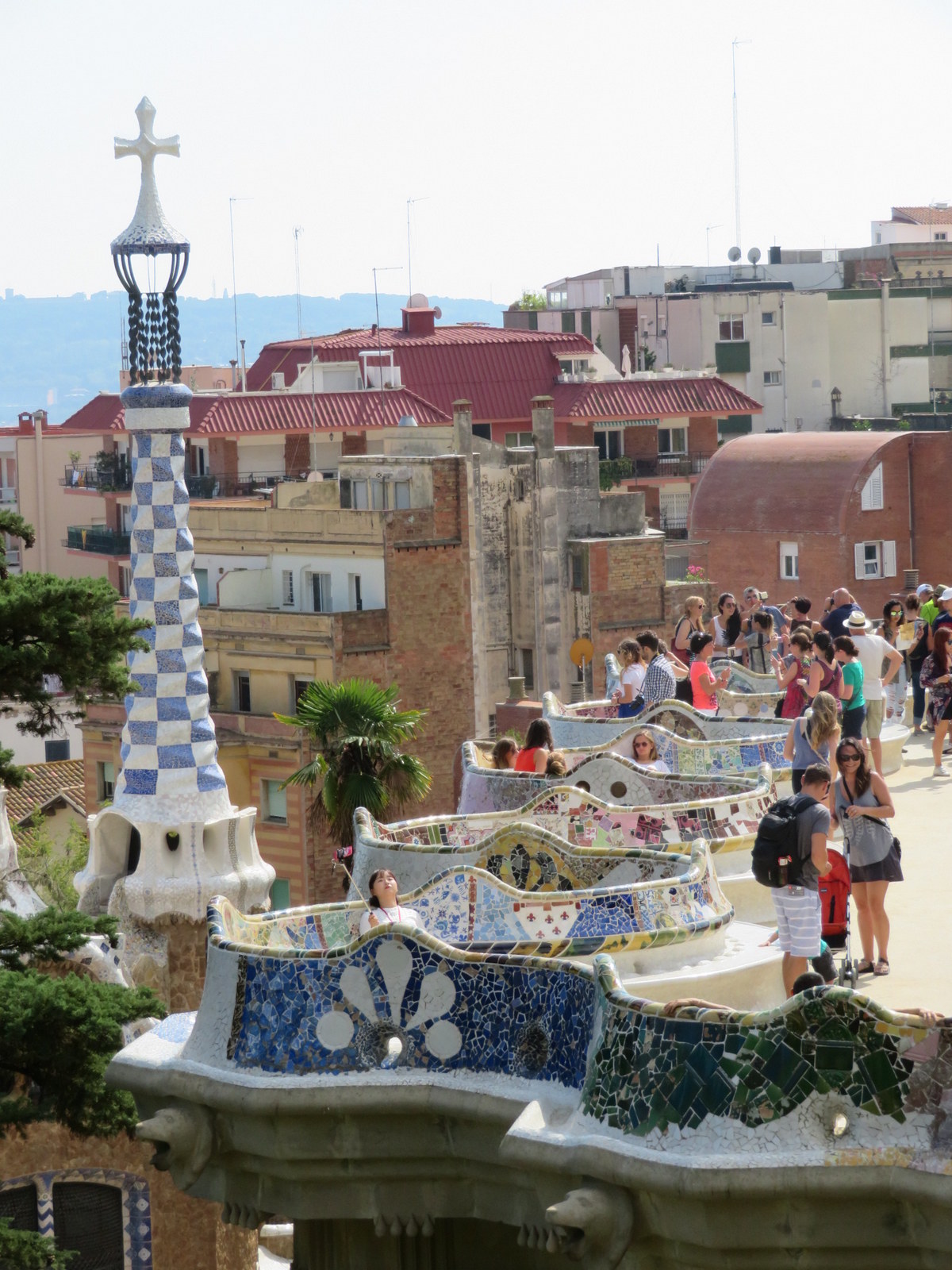
BarcelonaBarcelona is the capital of Catalonia. It is big but appears to be well-organized. We heard that with Brexit, Barcelona may become the financial center of EU, replacing London. But then if Catalonia becomes separated from Spain (we will see about that), it will have to apply to join EU. Who knows how long that process will take - it takes a long time to have 27 countries to come to a consensus. For tourists, Baracelona is dominated by Gaudi. Antoni Gaudi (1852-1926) was a Catalan architect and the face of the Catalan architecture modernism (Art Nouveau). His work include 7 UNESCO World Heritage sites. We went to visit 4 of them. Other Art Nouveau buildings from other architects scatter around Barcelona, making it very interesting architecturally. Park GuellPark Guell is located in the hills in the northern section of Barcelona. We have to hike up some steep stairs and roads to get there. They even have outdoor escalators to help the climb.Park Guell was one of the first projects by Gaudi. It was a failed real estate development. Nowadays a section of the park was cordoned off with Gaudi's colorful buildings and terraces - it is a UNESCO World Heritage site. We actually did not go inside because tickets were sold out for the time slot when we were there. But we took plenty of pictures from outside.

Casa BatlloCasa Batllo is located near the center of Barcelona. Visitors can walk through parts of the building, including the famous rooftop. Parts of the building are reserved for events. To visit, one should buy tickets online in advance. There are long lines just like Disneyland, even down to the use of Fastpasses.


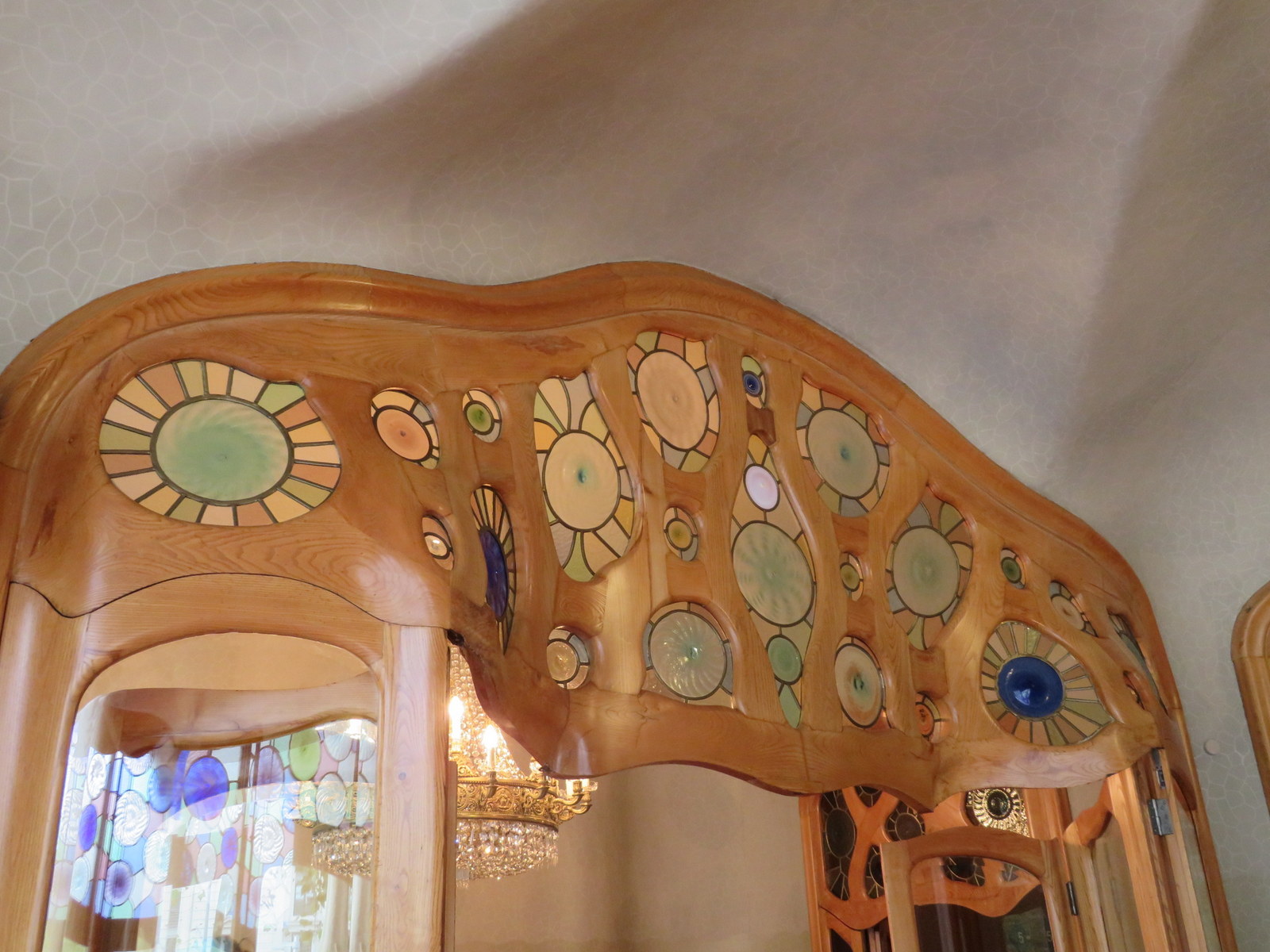

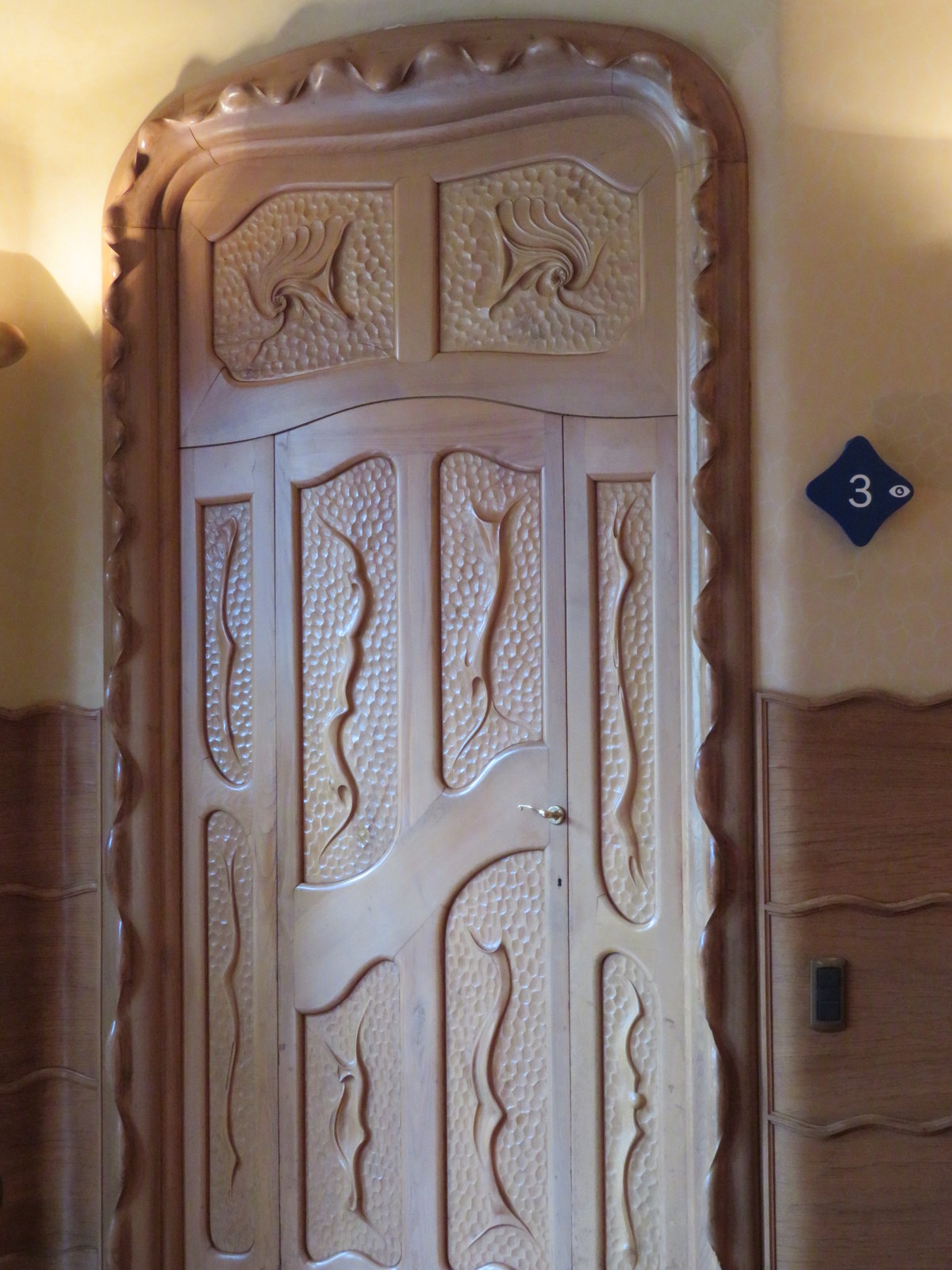
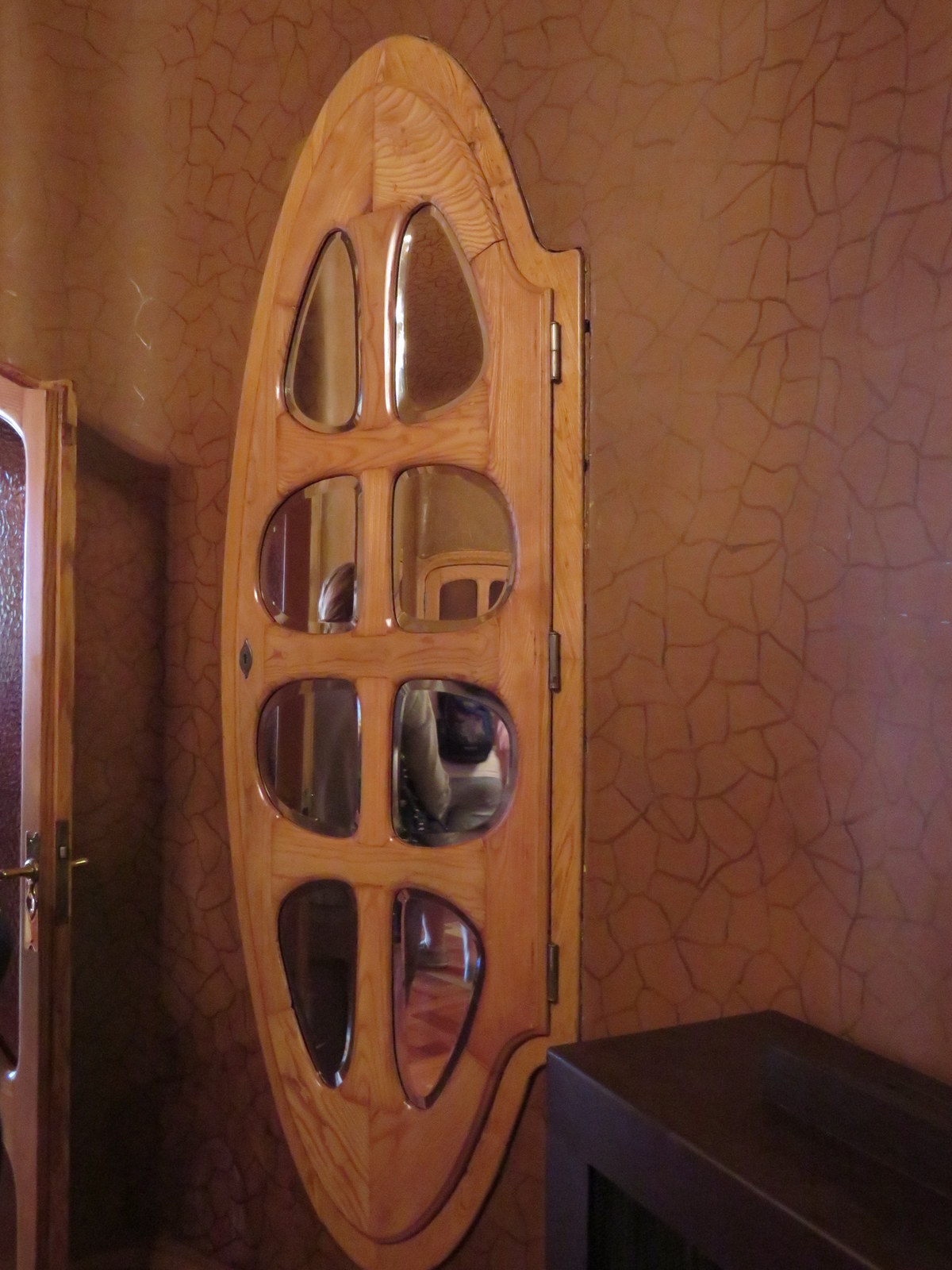
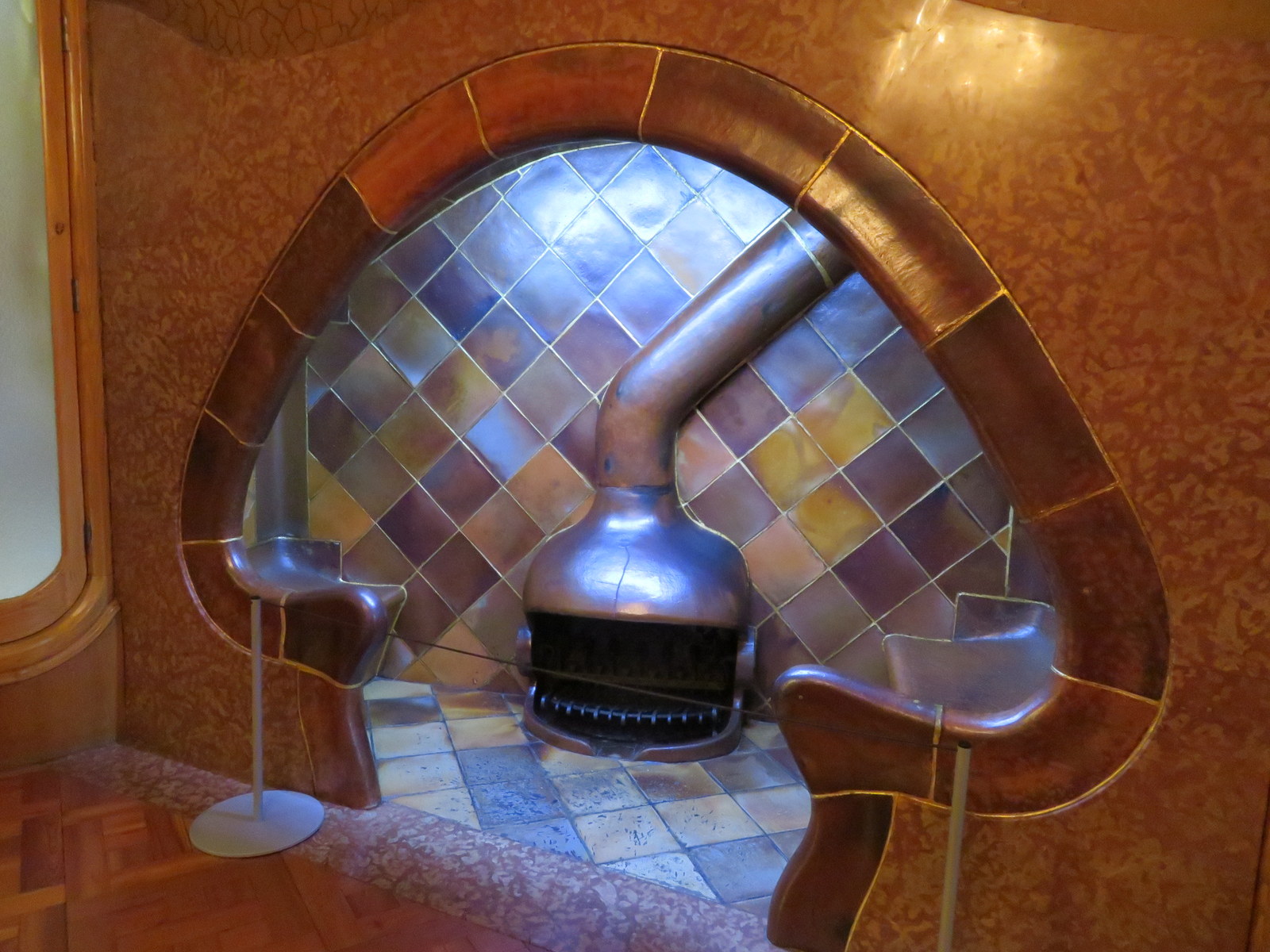


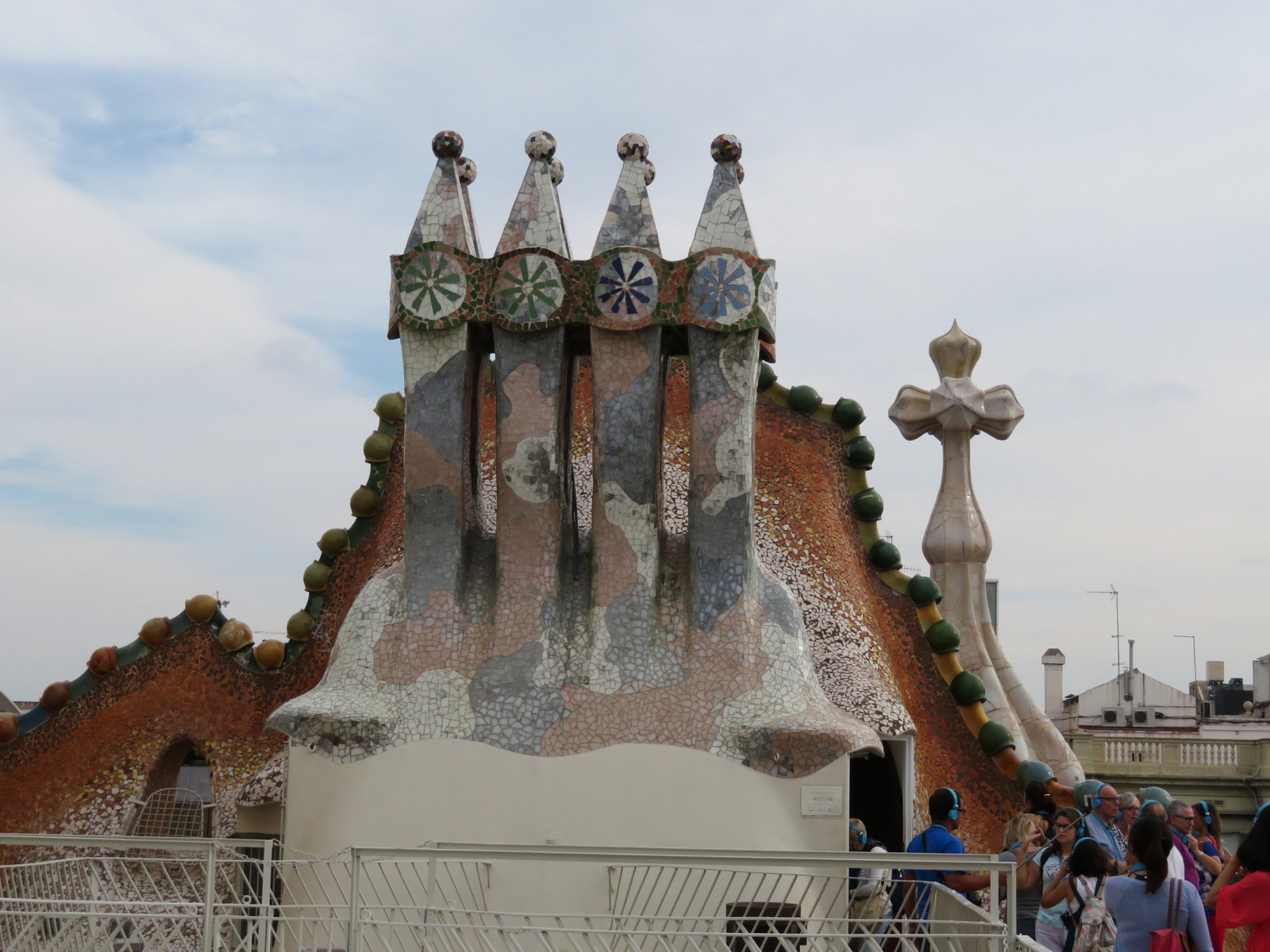


Casa MilaCasa Milo is another Gaudi building in the center of Barcelona. It is also known as "La Pedrera" (the quarry). Most of the buildings are functional apartments. Visitors can visit the famous rooftop and a museum in the attic.


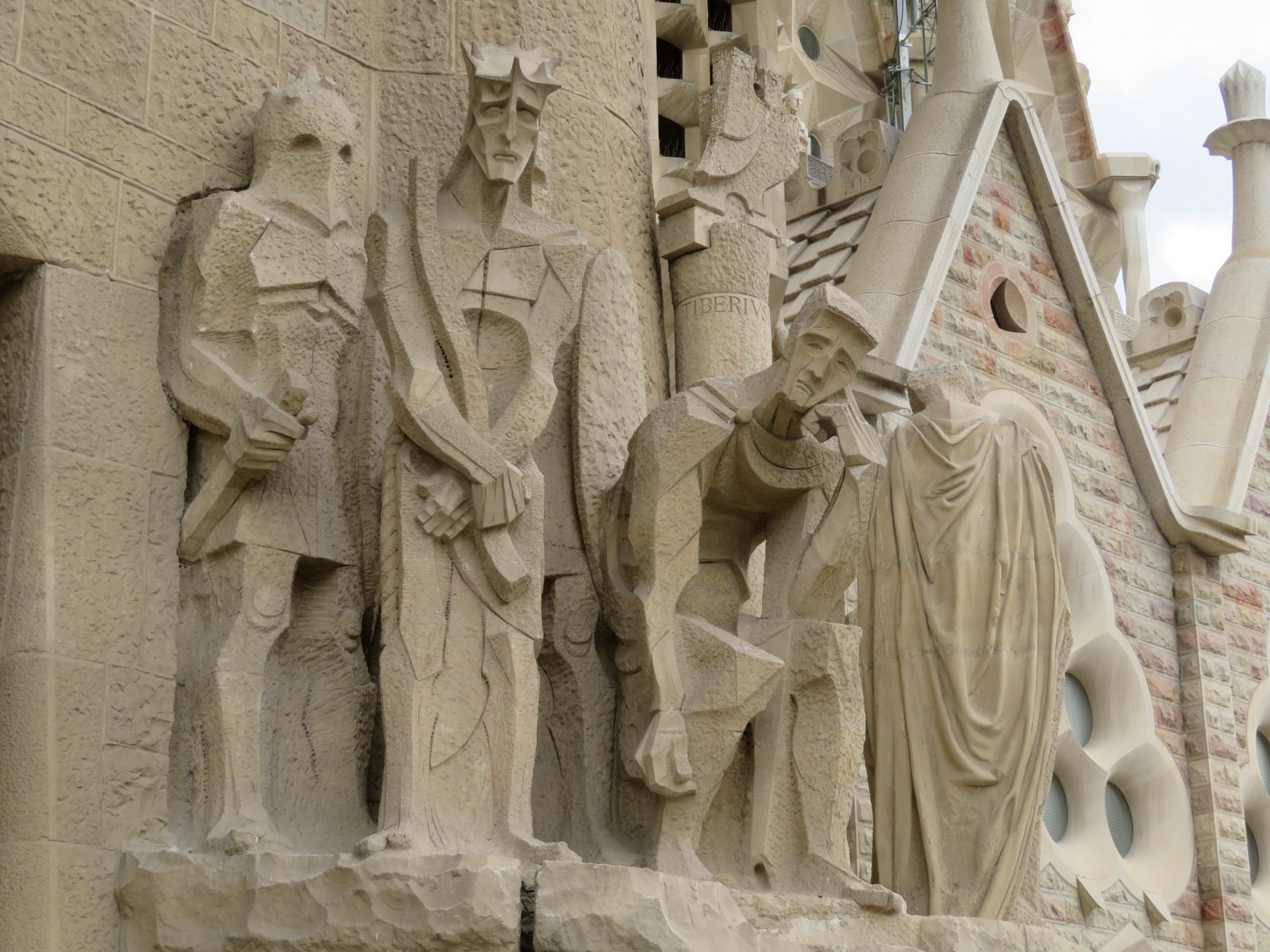
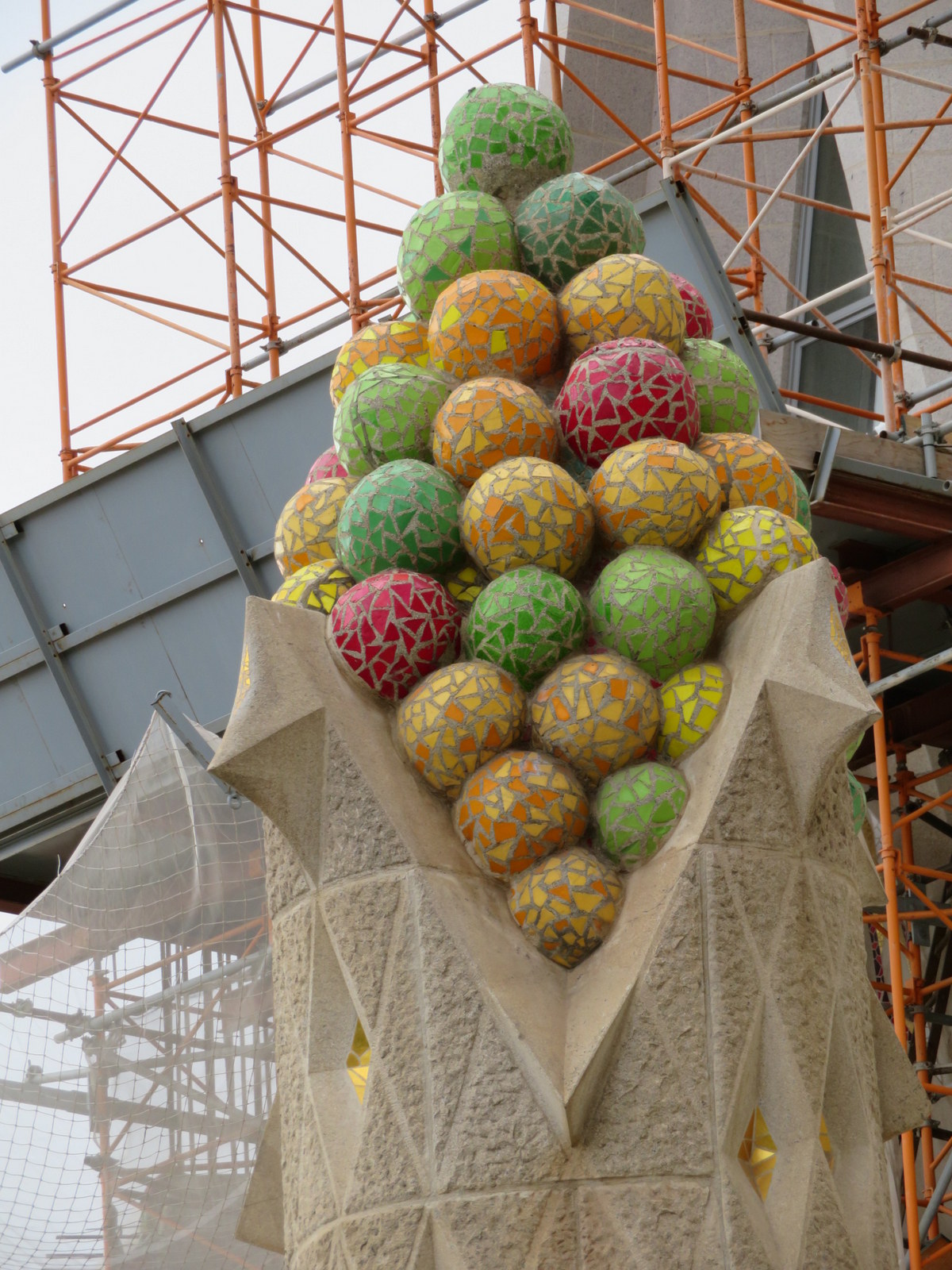
Sagrada FamiliaSagrada Familia is, perhaps, Gaudi's most famous masterpiece. The construction of this large Roman Catholic Church began in 1882. Shortly afterwards, Gaudi took over as the architect, transforming it by combining the Gothic style with Art Nouveau architecture. Gaudi's original design calls for 18 spires, representing the twelve Apostles, the Virgin Mary, the four Evangelists and Jesus Christ. There are 3 facades: Nativity, Passion and Glory. After forty years, less than a quarter of the project was finished at the time of his death in 1926. Progress has been slow in its construction in part because it relied on private donations. The Spanish Civil War provided further interruptions. Right now, the construction is funded by the private Sagrada Familia Foundation. Admissions to the church contributed to its funds. We were told that the outside of the church will be completed by 2026, the centennial of Gaudi's death. There will be a huge celebration. 


(Right) Many artists and architects have collaborated in the building of Sagrada Familia. The bronze gate of the Natvity Facade was build by the Japanese sculptor Etsuro Sotoo, a passionate follower of Gaudi. He has been collaborating in the construction of the church since 1978. The gate is inspired by nature (one of Gaudi's guiding principles), full of metal leaves, flowers and insects.




Catalan Concert HallWe were fortunate enough to get tickets to a Catalan guitar and flamenco performance in the Palau de la Musica Catalana. It is billed as a celebration of the Catalan culture. The performances were fantastic. However, being a foreigner, I cannot tell the difference between the Catalan version of the guitar and flamenco from the Spanish ones. 


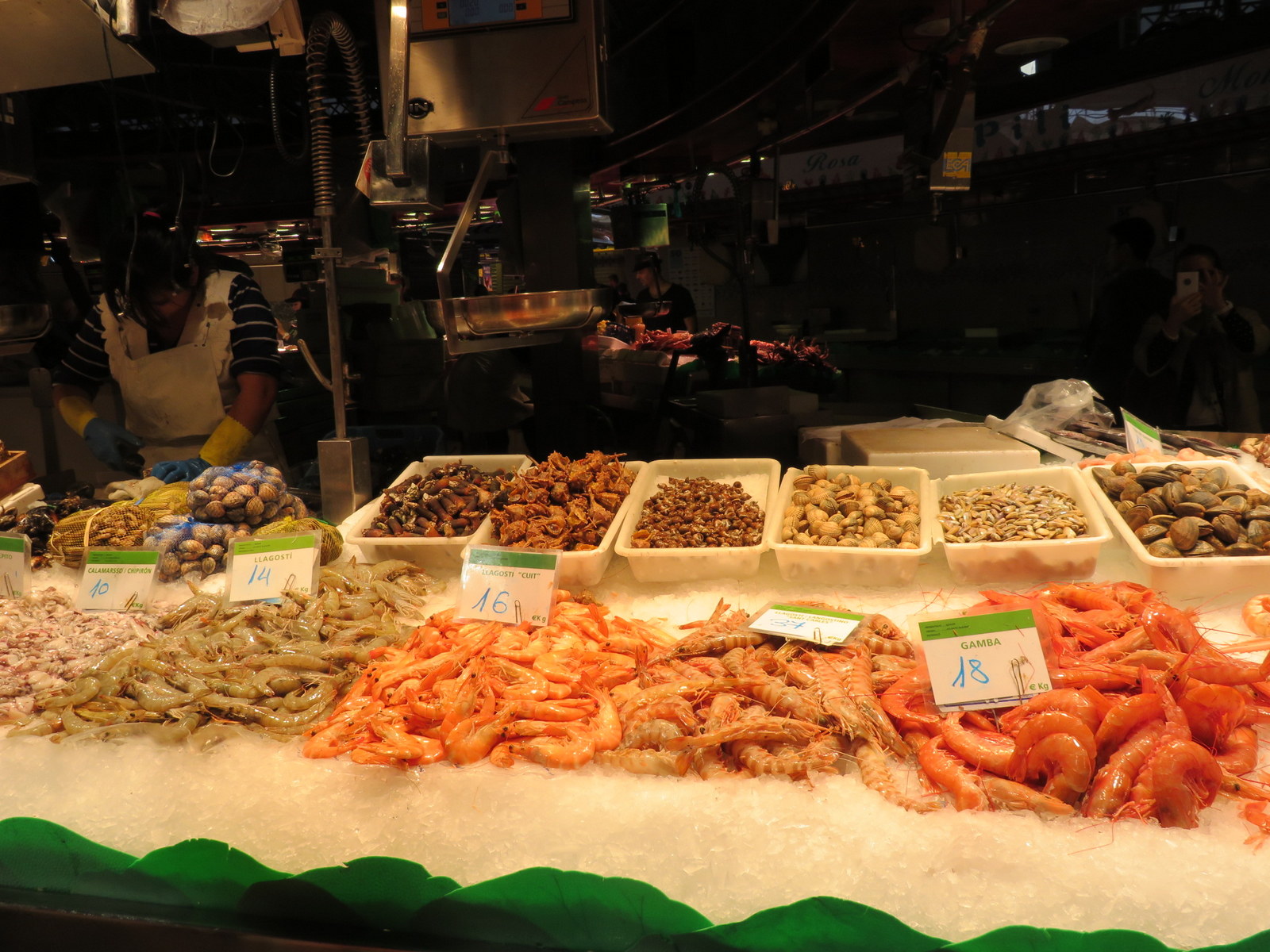
Colorful Markets



Picasso MuseumOne of the main attractions in Barcelona that is not related to Gaudi is the Picasso Museum. It is located among the narrow streets and alleys in the old town (Gothic Quarter). The exhibits are mostly focussed on the early works of Picasso. We learnt that, maybe, part of the reasons of Picasso's success was due to his "tiger dad" who pushed him to participate in many painting competitions when he was young.
The museum displays many of Picasso's early sketches. These sketches are clearly for practice sketches as they frequently contain drawings oriented at different angles on the same piece of paper. Some even have sketches on both sides, indicating that Picasso practiced a lot. To me, this is another confirmation of Malcolm Gladwell's "10,000-Hour Rule". In his book Outliers, he claimed that the key to achieving world-class expertise in any skill, is, to a large extent, a matter of practicing the correct way, for a total of around 10,000 hours.
|